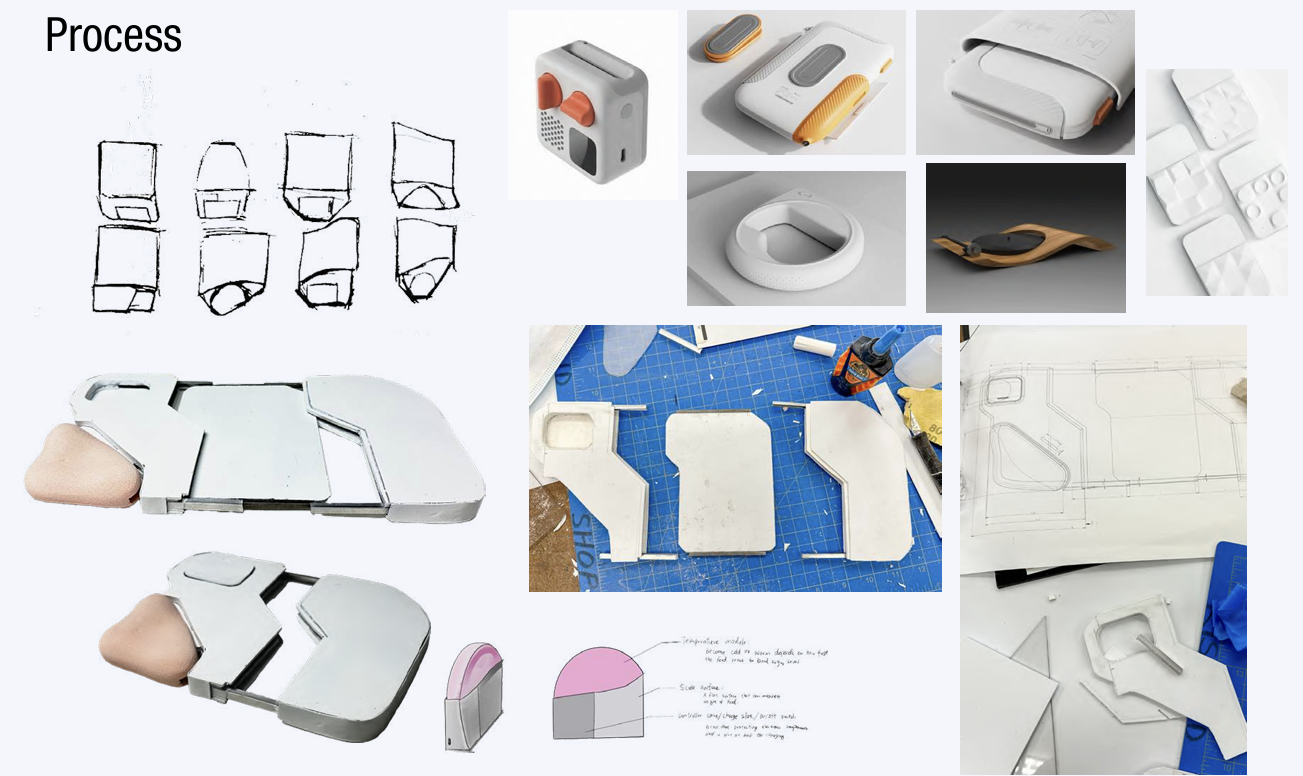
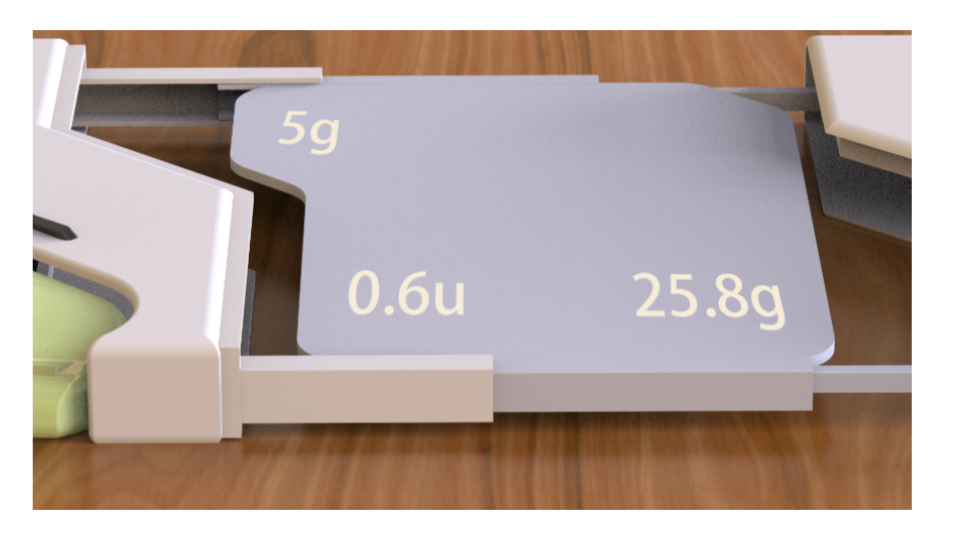
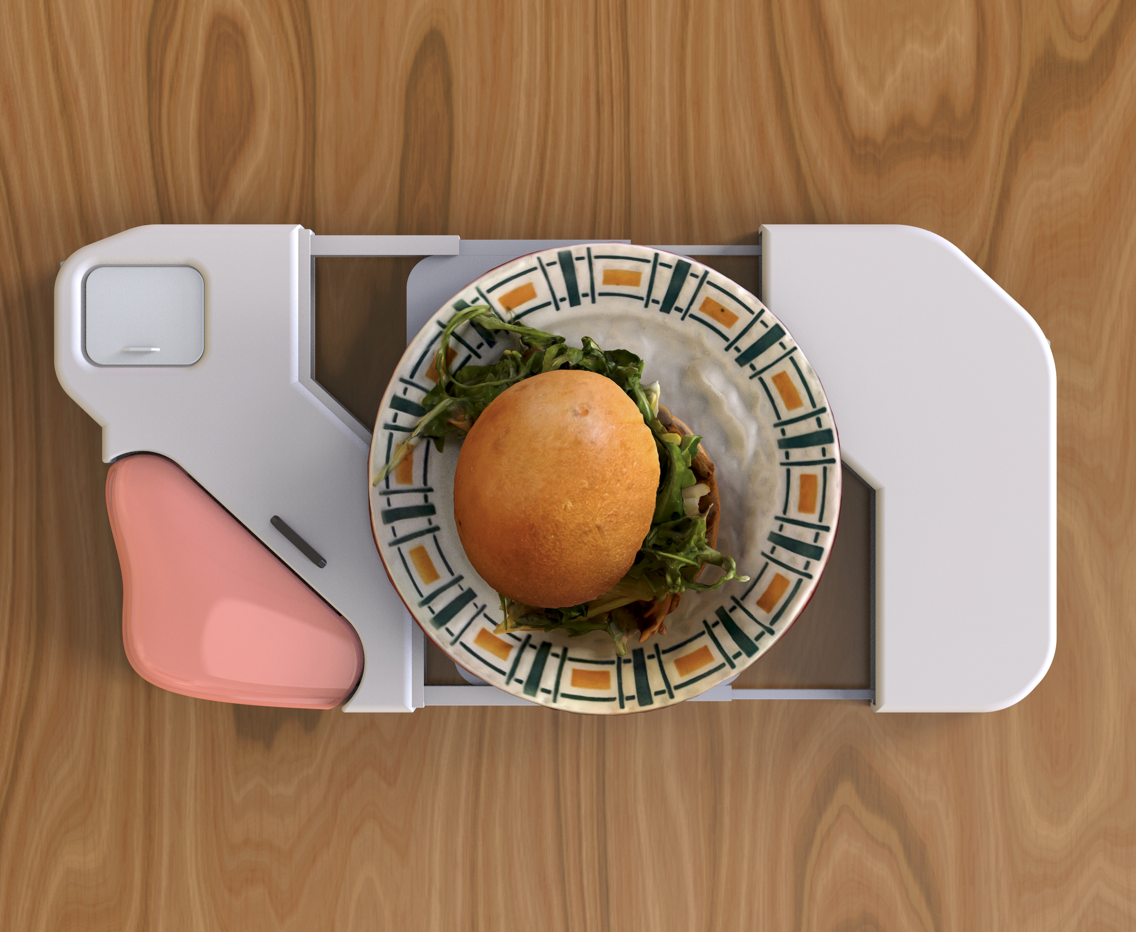
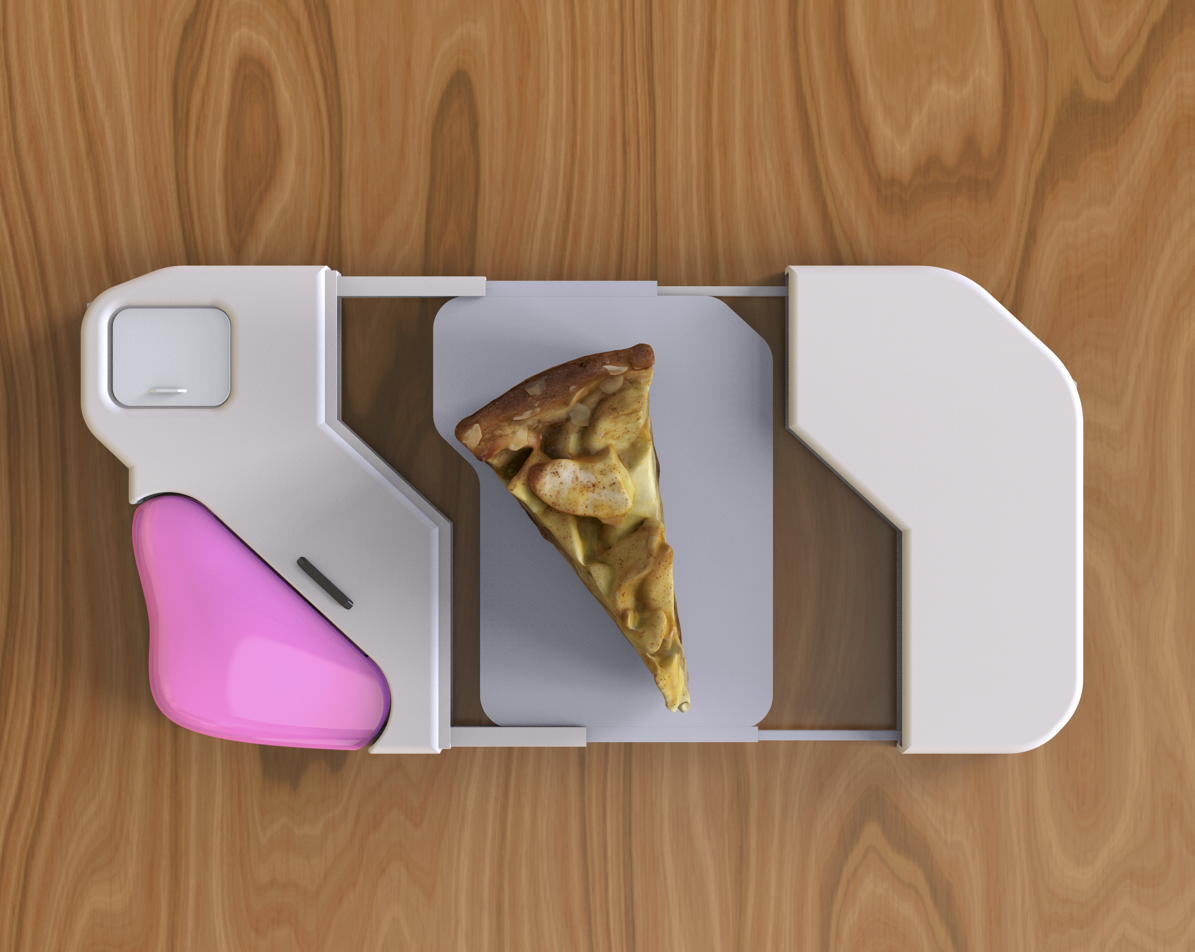
This project explores how a physical object can support healthier, less stressful food management for people with diabetes. I designed a portable food scale that serves as a tangible interface for diabetes-related food-tracking software. The scale features a collapsible linear-track mechanism that allows it to compact and expand for everyday use. Rather than resembling a clinical medical device, its emotional design language emphasizes safety, friendliness, and approachability—aiming to reduce anxiety around food measurement and transform tracking into a more humane, confidence-building experience.
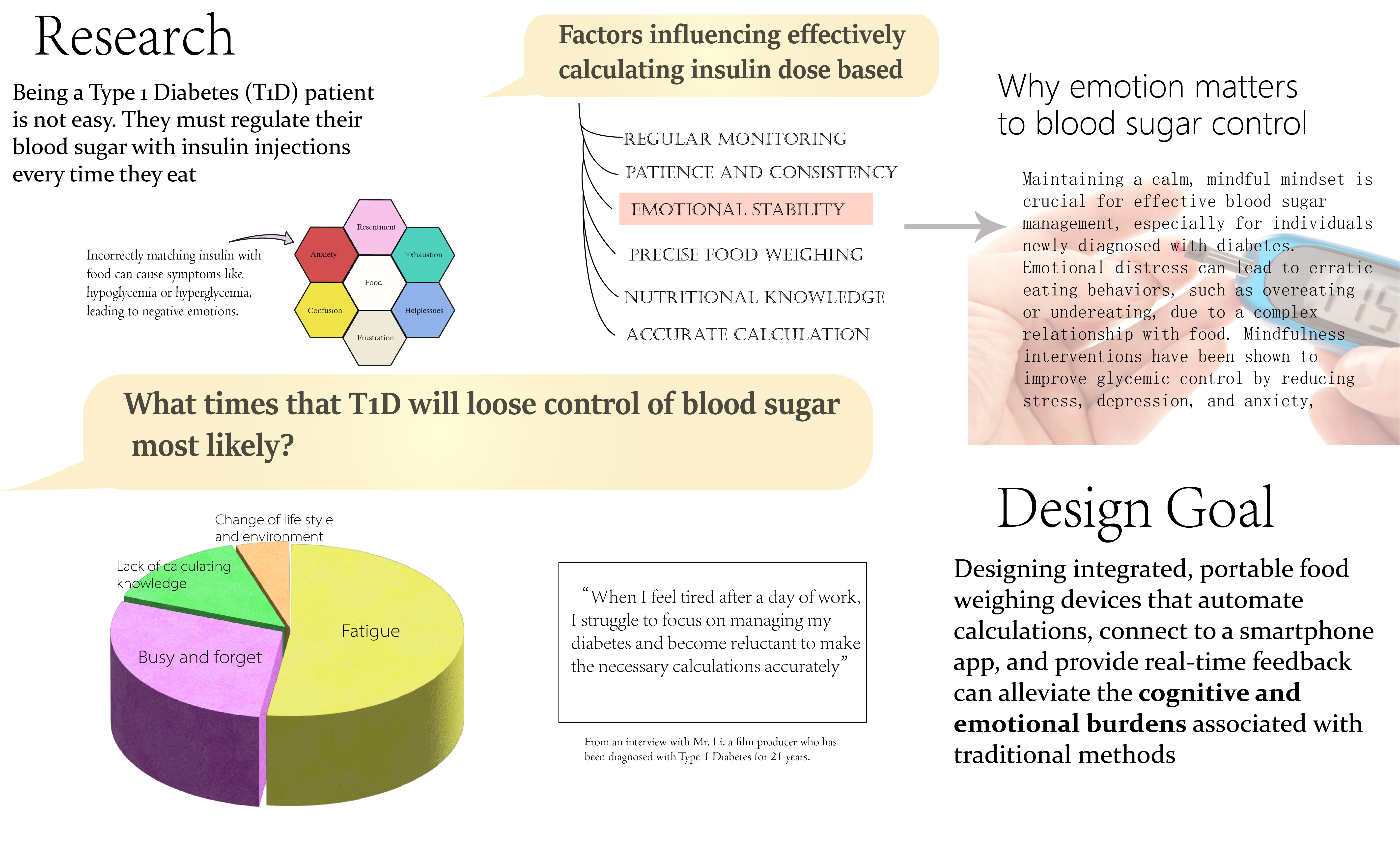
As diabetes becomes an increasingly global health issue, people diagnosed with the condition must continuously monitor and regulate their blood glucose through insulin injections or other medical interventions. Food plays the most critical role in blood sugar management, yet it is also the most complex and emotionally charged variable.
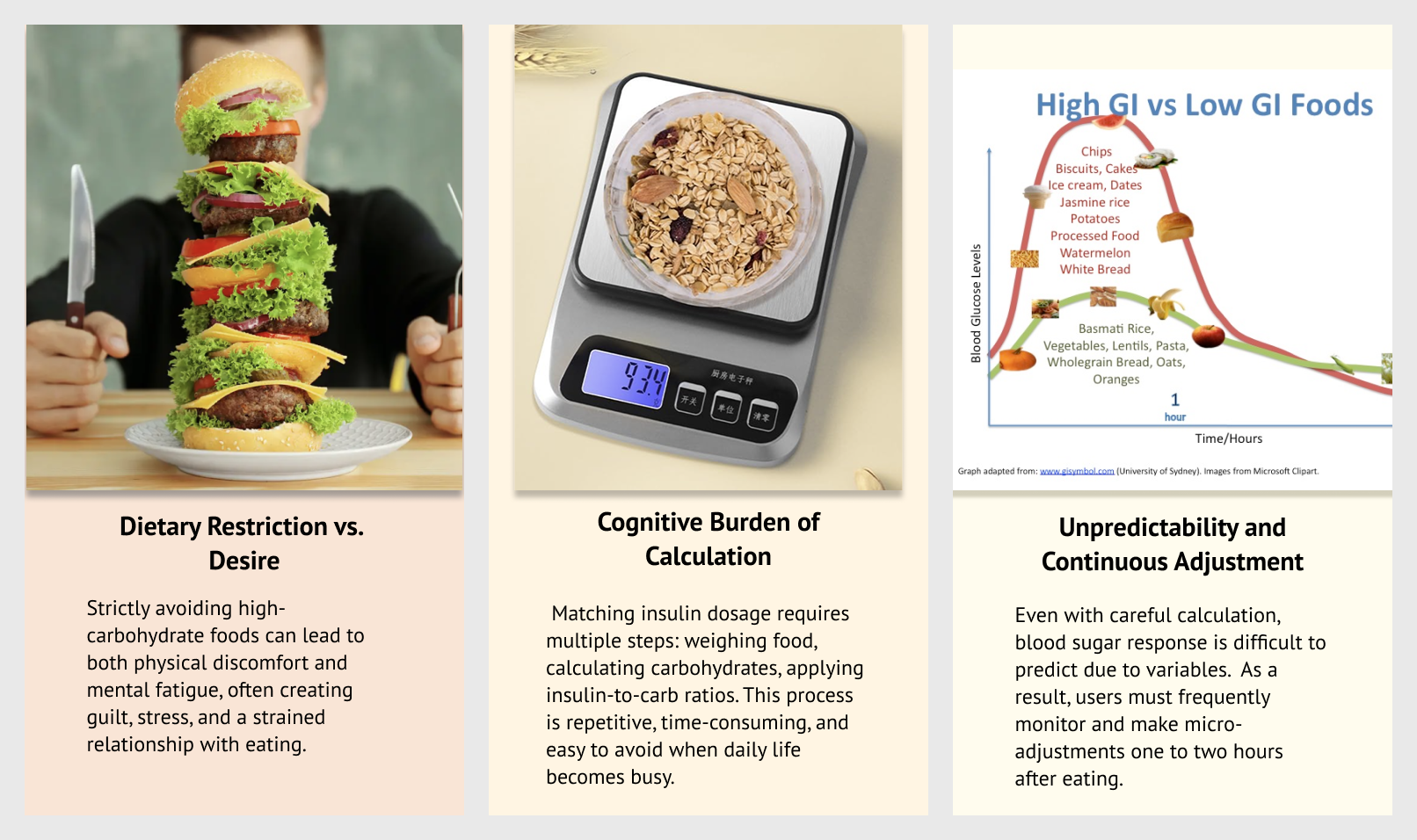
As a member of the Type 1 diabetes community, I identified several factors that make stable blood sugar control difficult:
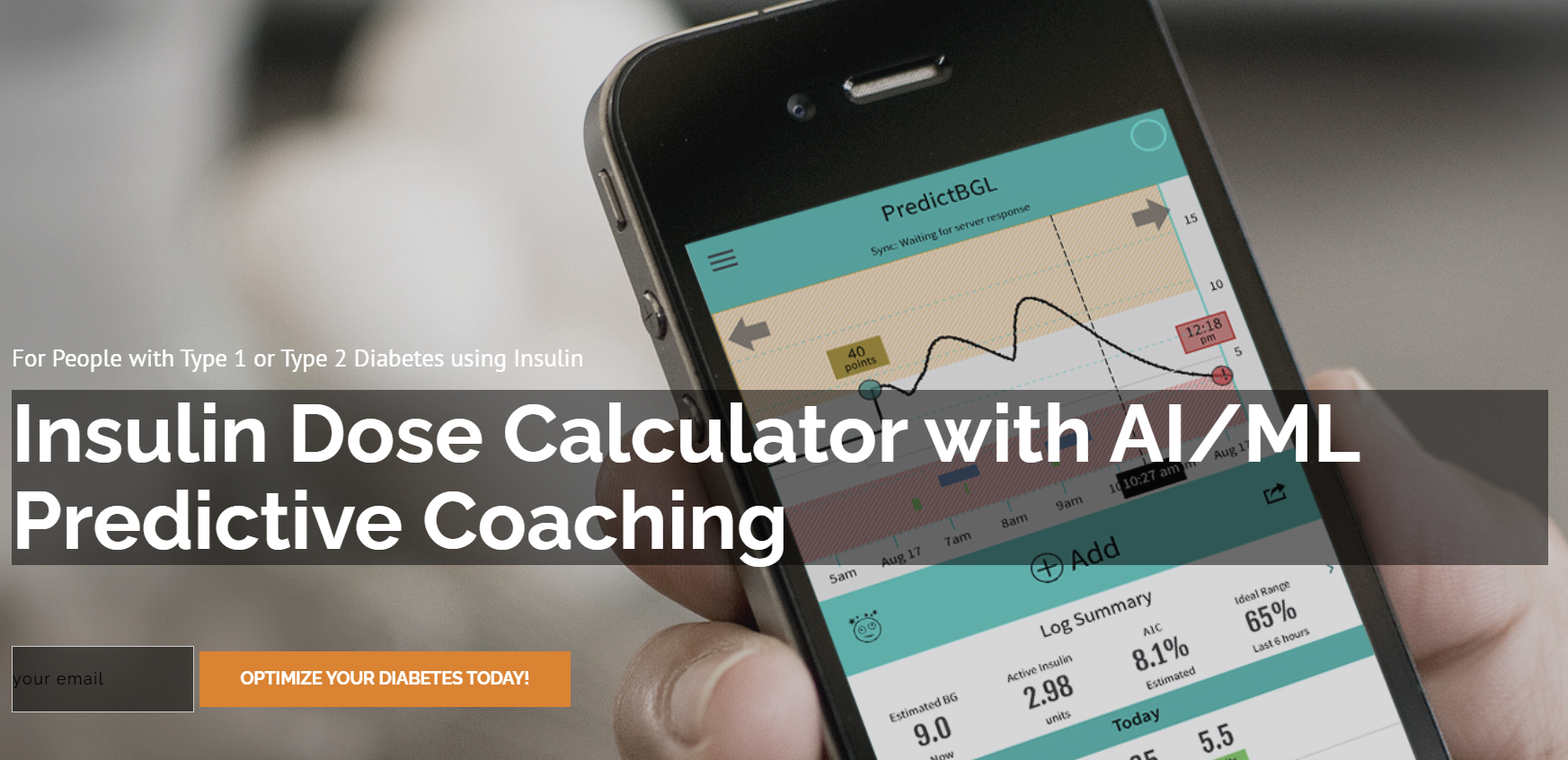
Current diabetes-management tools heavily emphasize software solutions—such as mobile apps for food logging, AI-assisted carbohydrate estimation, and systems embedded within insulin pumps or continuous glucose monitors (CGMs). While these tools support calculation and data visualization, they overlook a critical physical step in the process: accurate measurement of food weight.

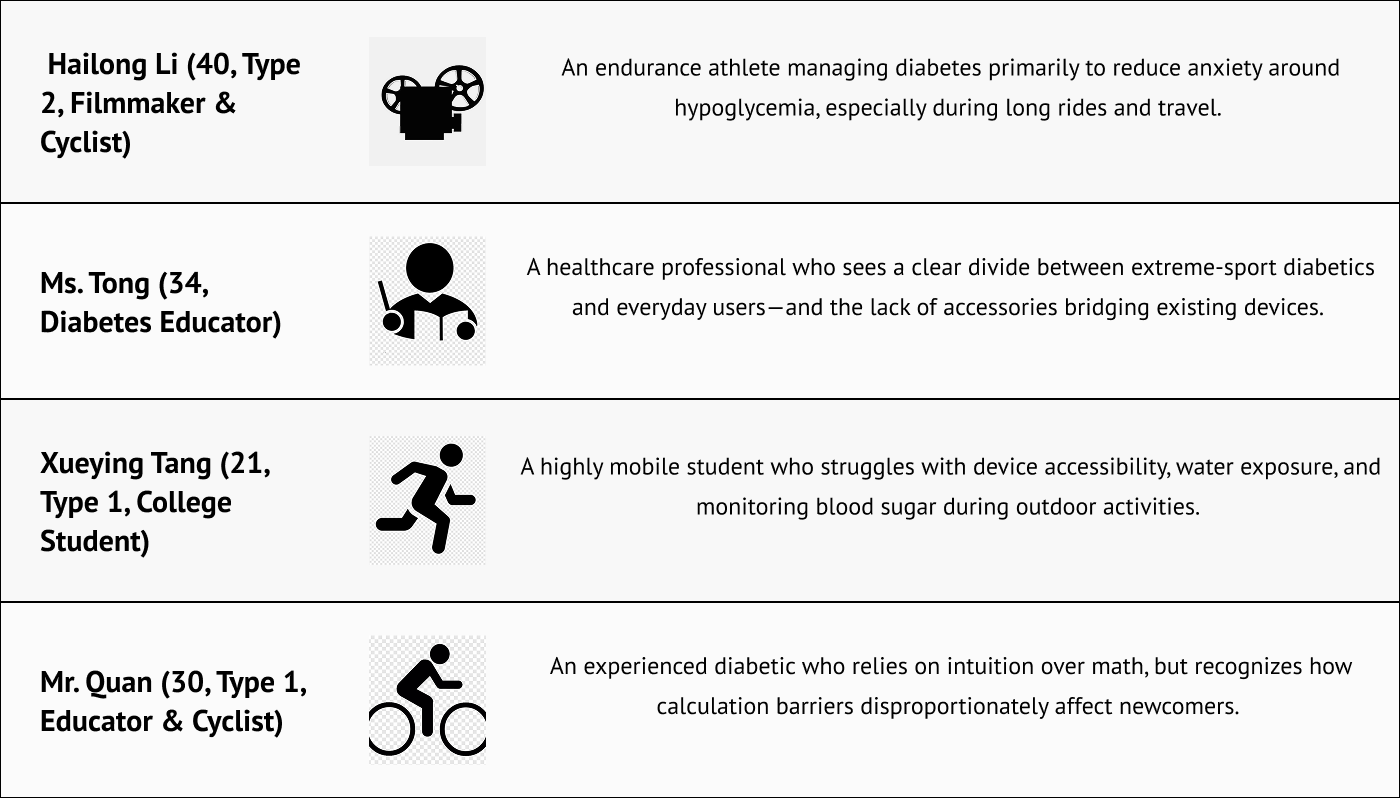
Across interviews with people living with Type 1 and Type 2 diabetes, educators, and highly active users, a consistent pattern emerged: diabetes management is not only a medical task, but a cognitive, emotional, and logistical burden—especially around food and activity.

A food measuring device that satisfies mobility needs, integrates with existing diabetes systems, provides feedback and instructions that are straightforward and easy to follow, and establishes an emotional relationship with users that feels supportive rather than stressful.