Stop-Motion Armature
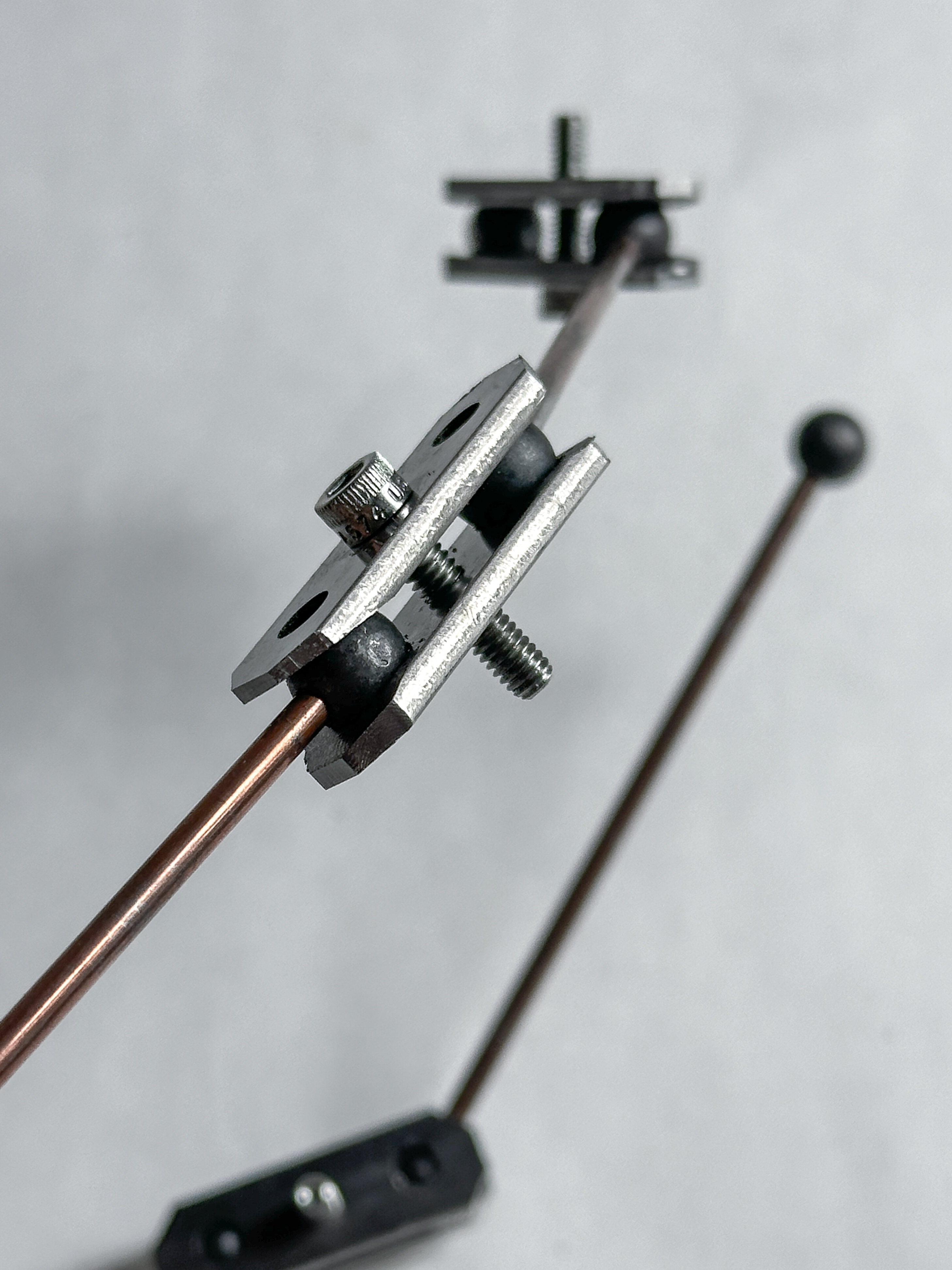
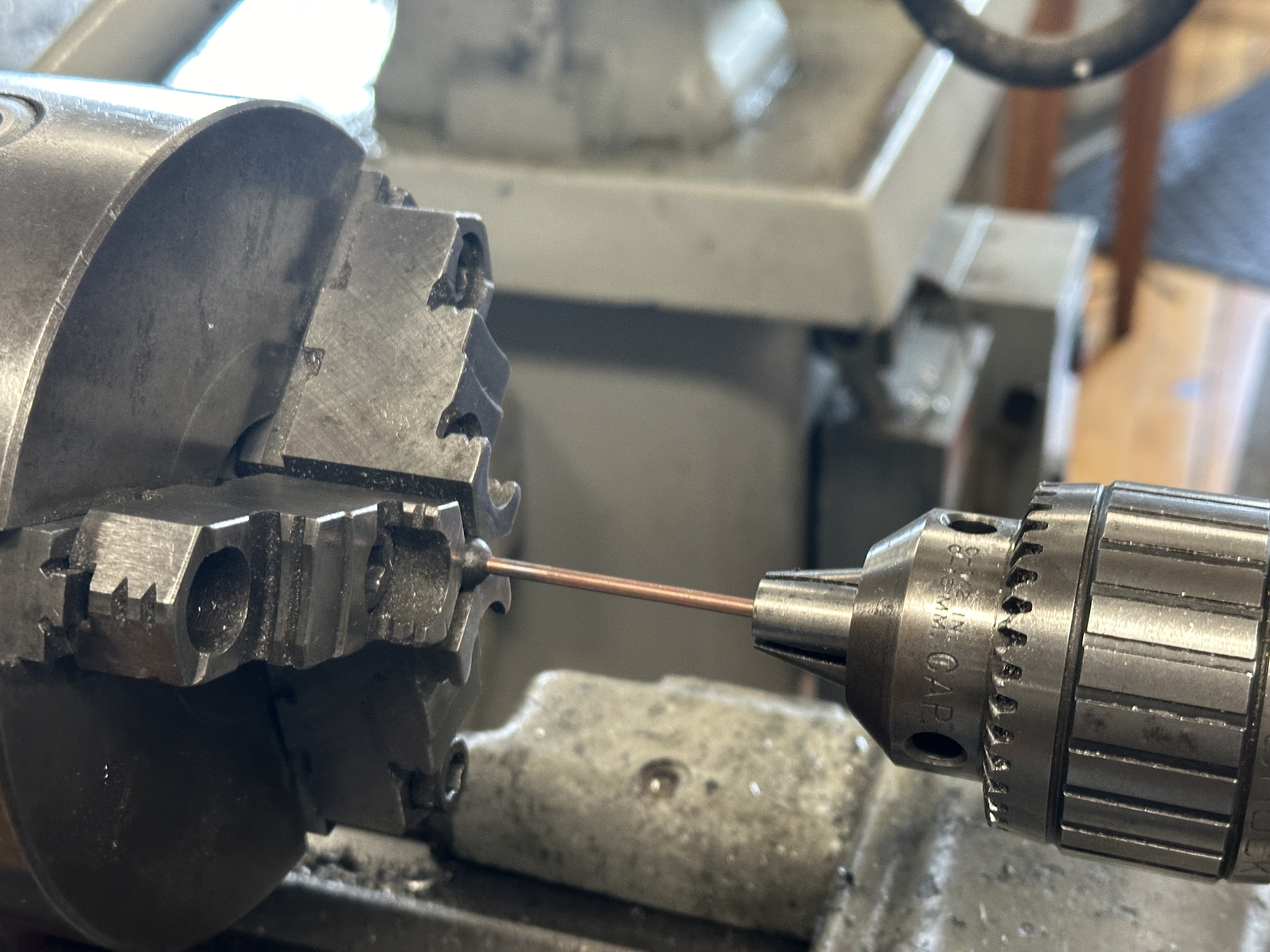
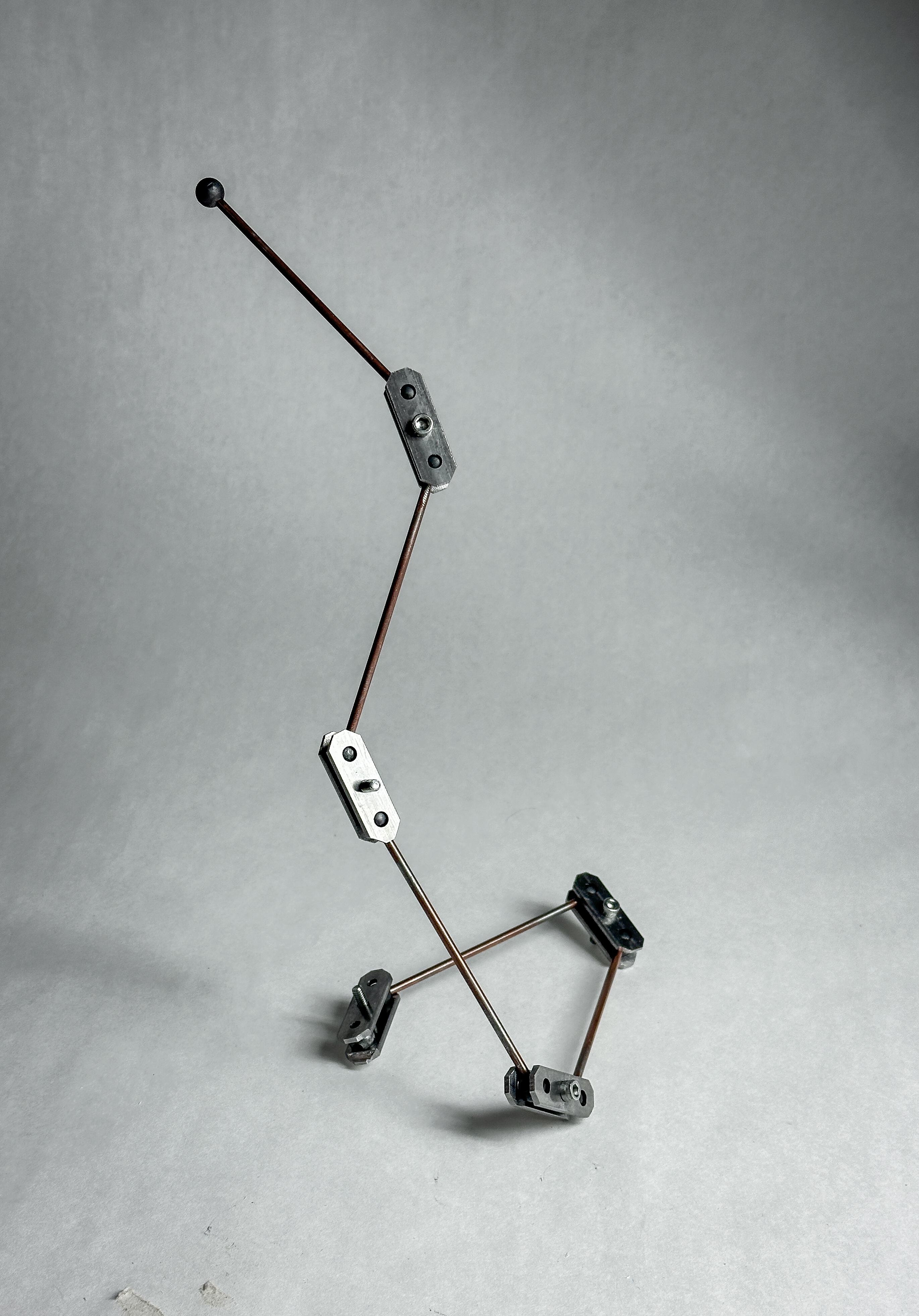
Stop-motion armature. Made from copper rod, steel balls, aluminum blocks, and hardware.
In the RISD Metal Shop, I often joke that I’m sitting beside an old craftsman’s soul trapped inside the machines—grumbling, humming, and completely absorbed in the work.
Metal is my favorite material because it speaks clearly unvarnished language. It responds directly to force, tolerance, and heat—softening, hardening, warping, or becoming brittle depending on how it is treated. Unlike forgiving materials, metal records every decision and mistakes.
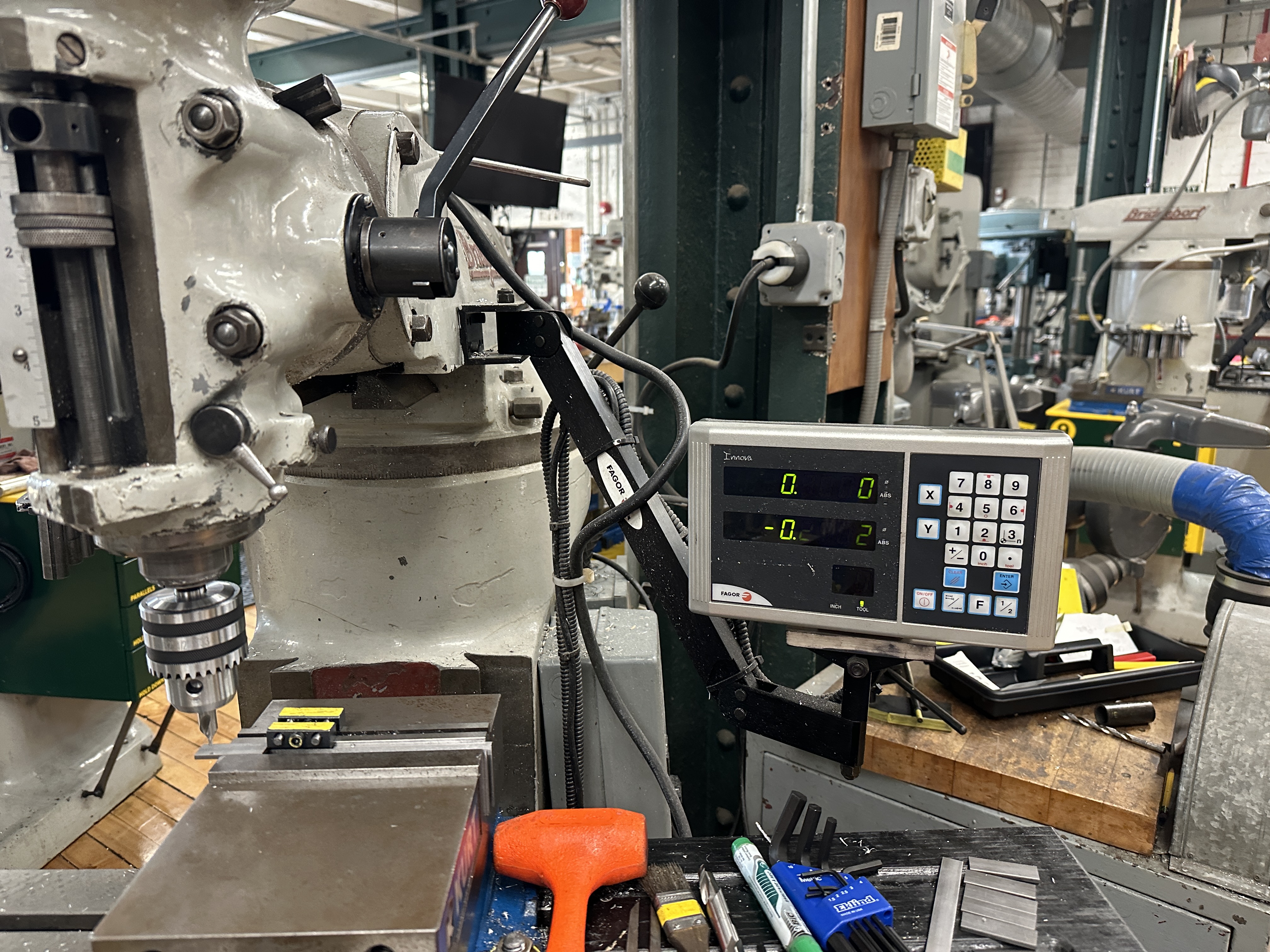
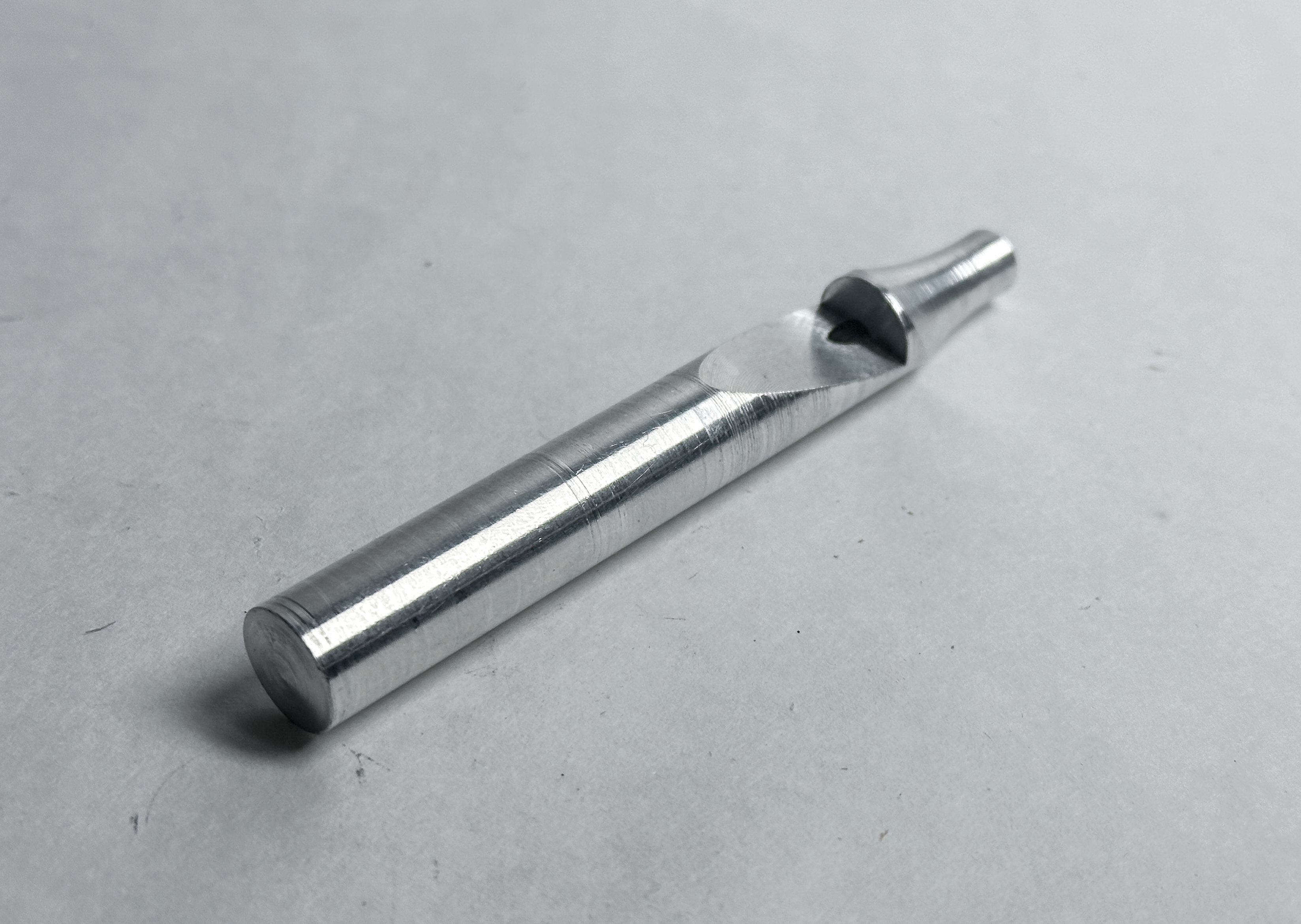
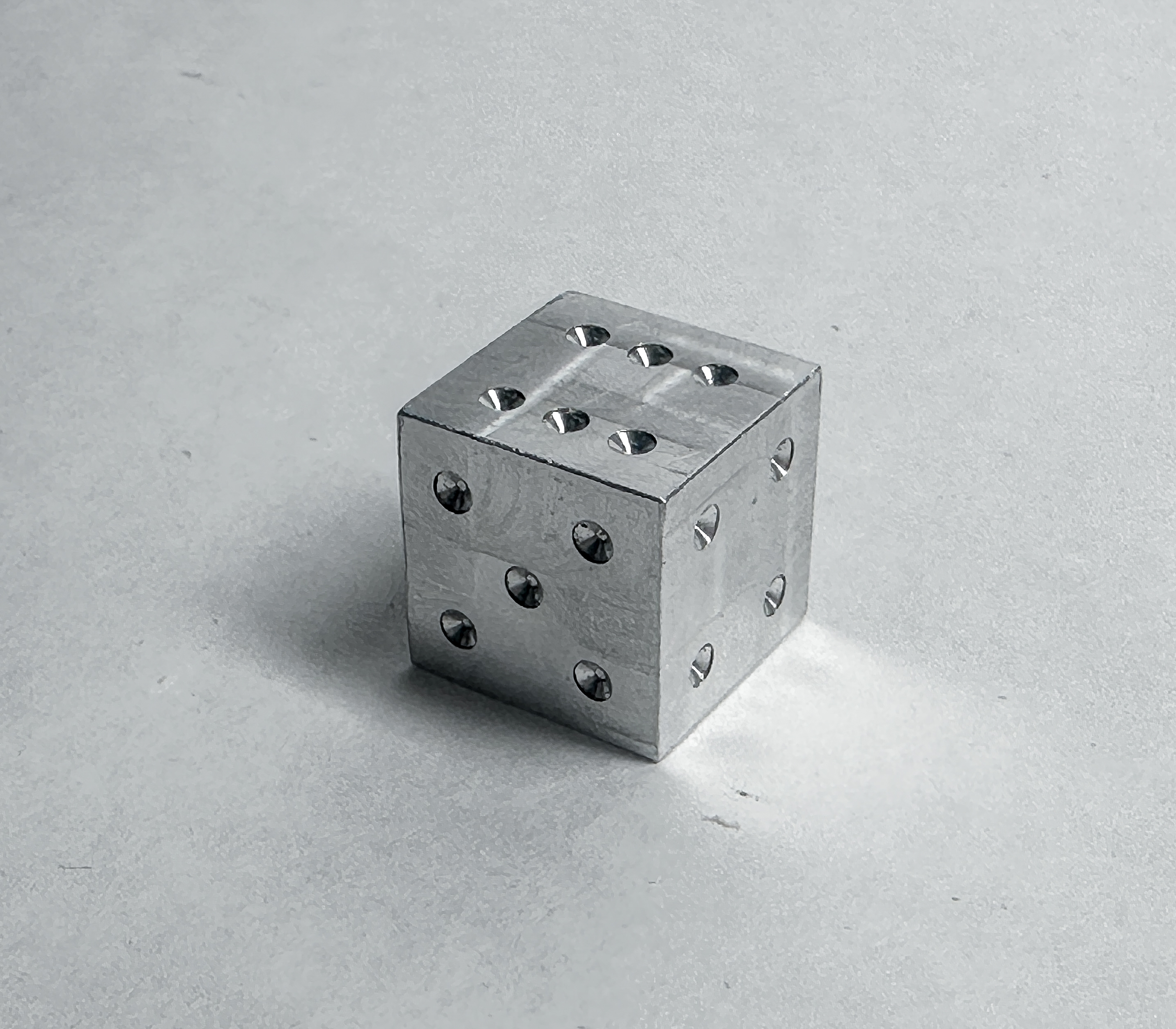
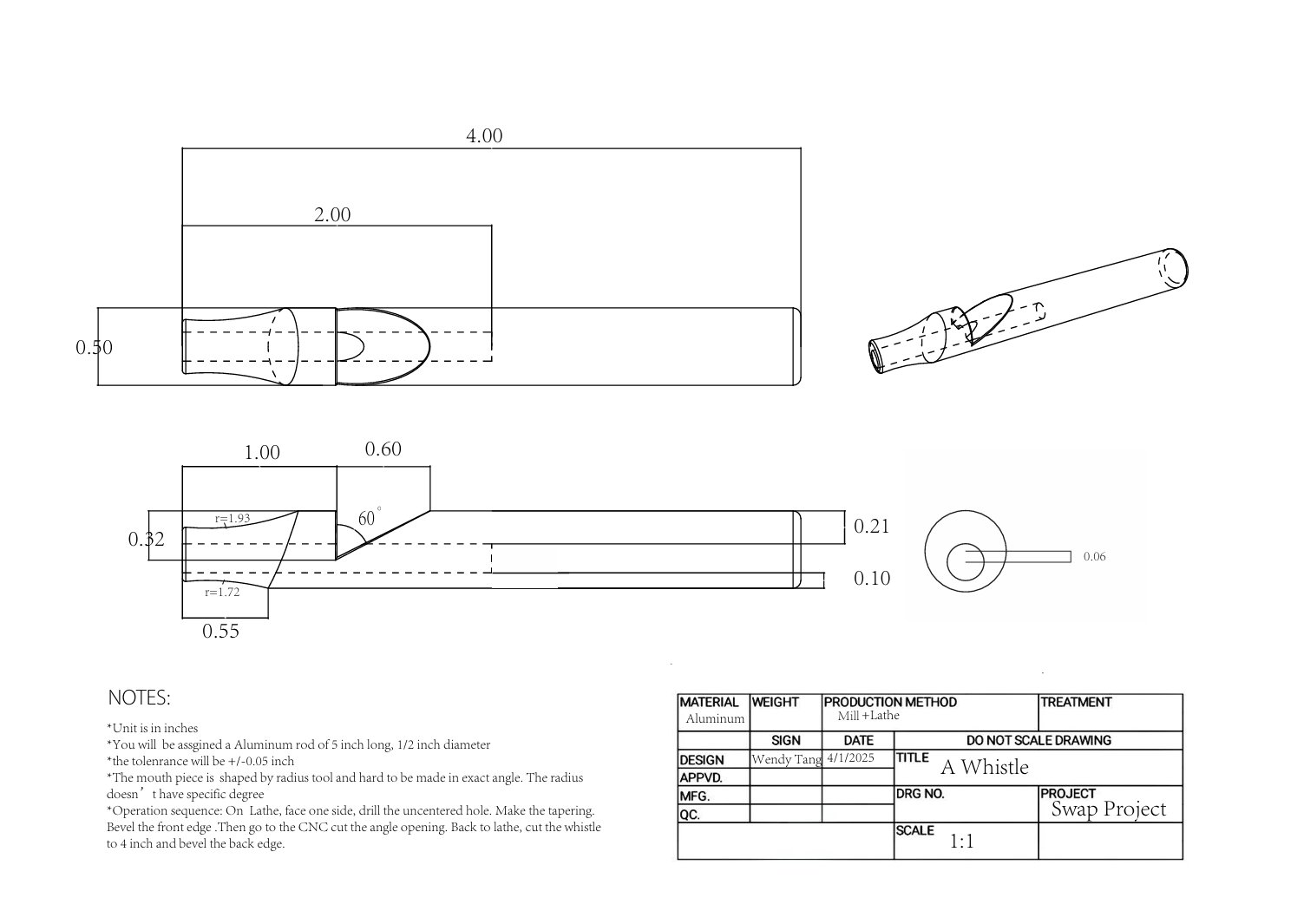
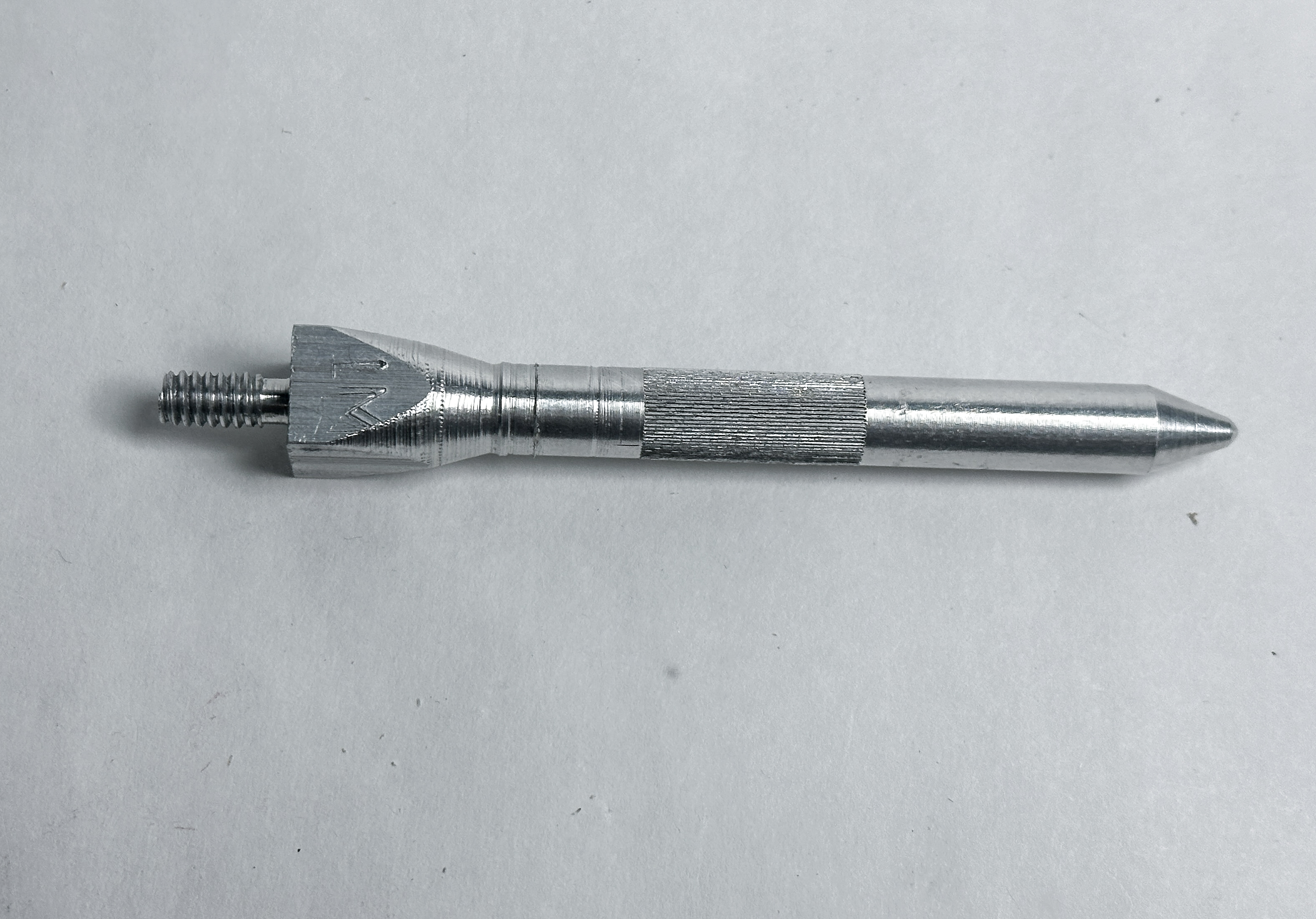
When it becomes sheet, bar, or billet, its behavior changes as well as the porcess. I’ve been trained in metal fabrication for three years, progressing from basic wire forming—coiling springs and simple connectors—to operating industrial machines including the lathe, mill, finger brake, press, electric soldering and brazing. Through this practice, I’ve learned how material properties, machine constraints, and fabrication sequences shape what can actually be built. This knowledge I gained is that design shoul be grounde in real-world manufacturing logic, thinking ahead about how parts can be made, assembled, used and broke under different circumstances.