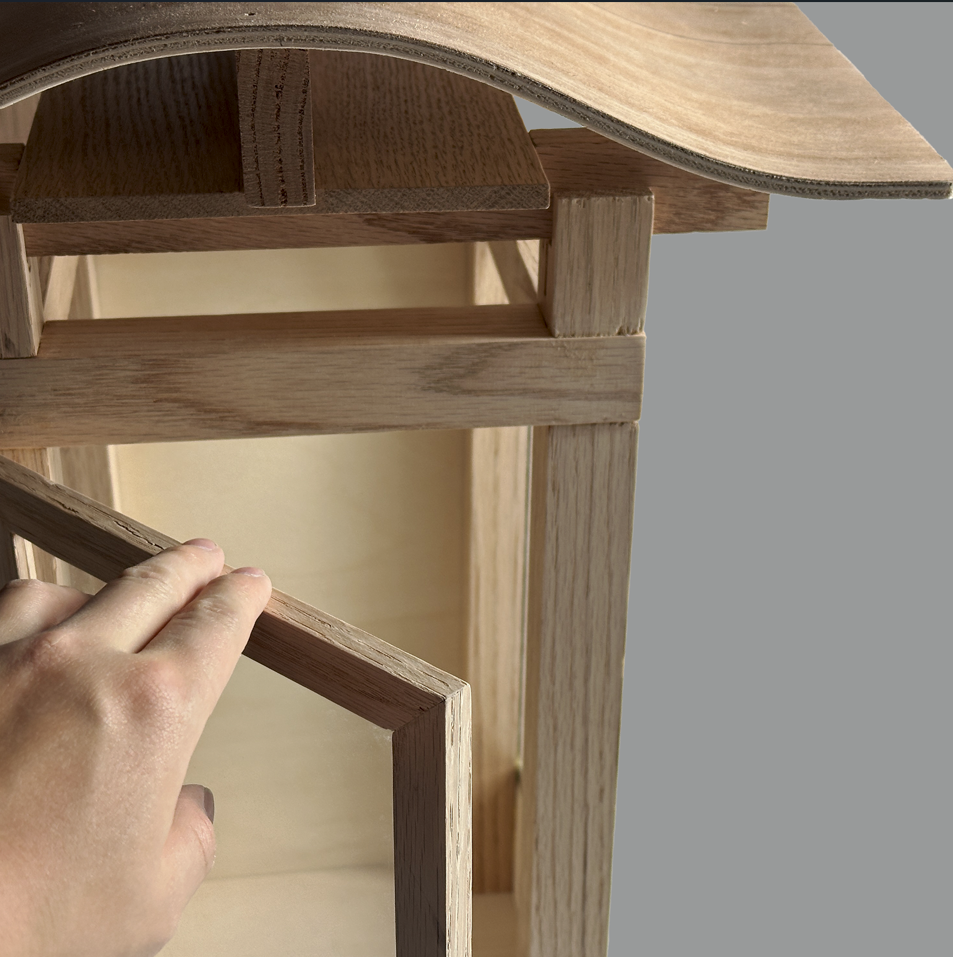
Vivarium, (terrarium), is a glass enclosure designed to sustain living organisms—often tropical plants or animals—within a controlled environment outside their native climate. Historically, vivariums share a lineage with early zoological exhibits, where explorers and naturalists constructed climate-controlled enclosures to study and preserve exotic species brought back from expeditions. These structures were not only scientific tools, but also early thoughts in creating artificial ecosystem with controling criculation of heat, moisture, air etc.
Today, the vivarium has evolved into a recreational scence where hobbiests source materials from nature and design self-sustaining habitats for fish, insects, reptiles, and plants. I have long been interested in building a vivarium—not only as an interior ecosystem, but as a complete system also including the architecture outside. This project explores the form of physical construction itself.
.jpg)
It follows a standard design process—from sketching and prototyping to CAD modeling, BOM development, fabrication, and assembly. This structured workflow reduces the risk of errors and minimizes waste of valuable wood. Compared to traditional woodworking practices that rely heavily on individual experience, this process offers a more reliable and repeatable path from design to production.
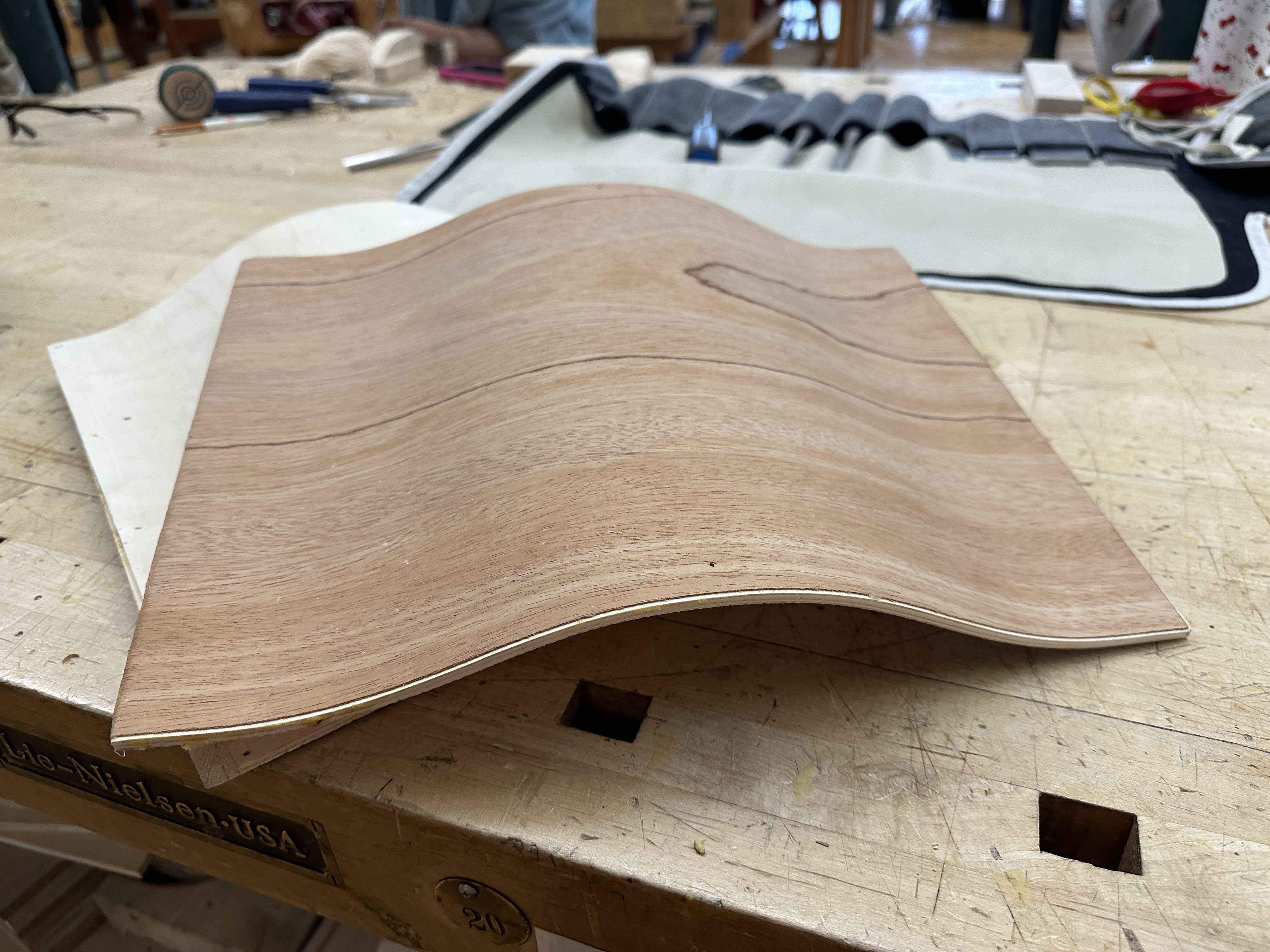
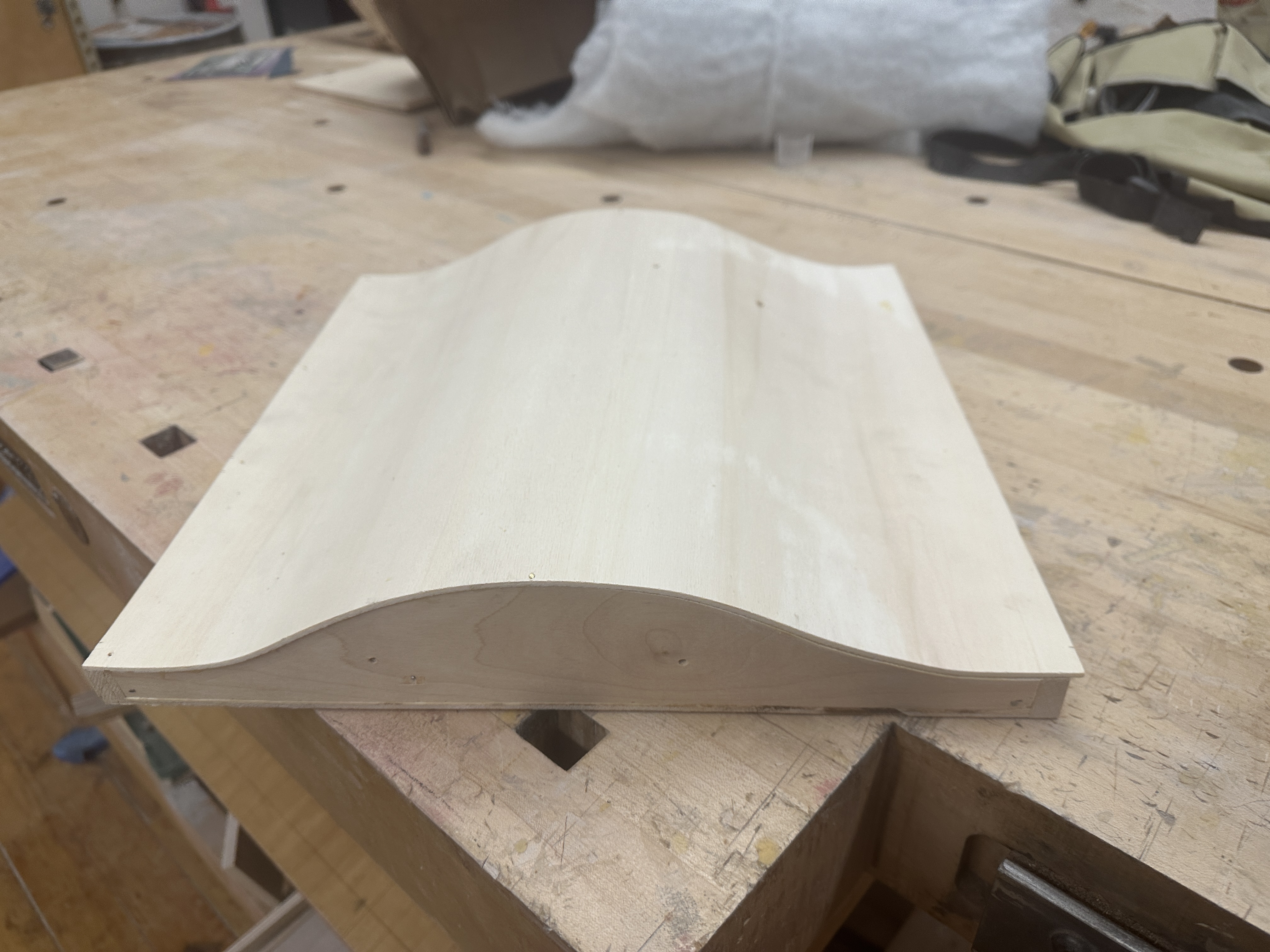
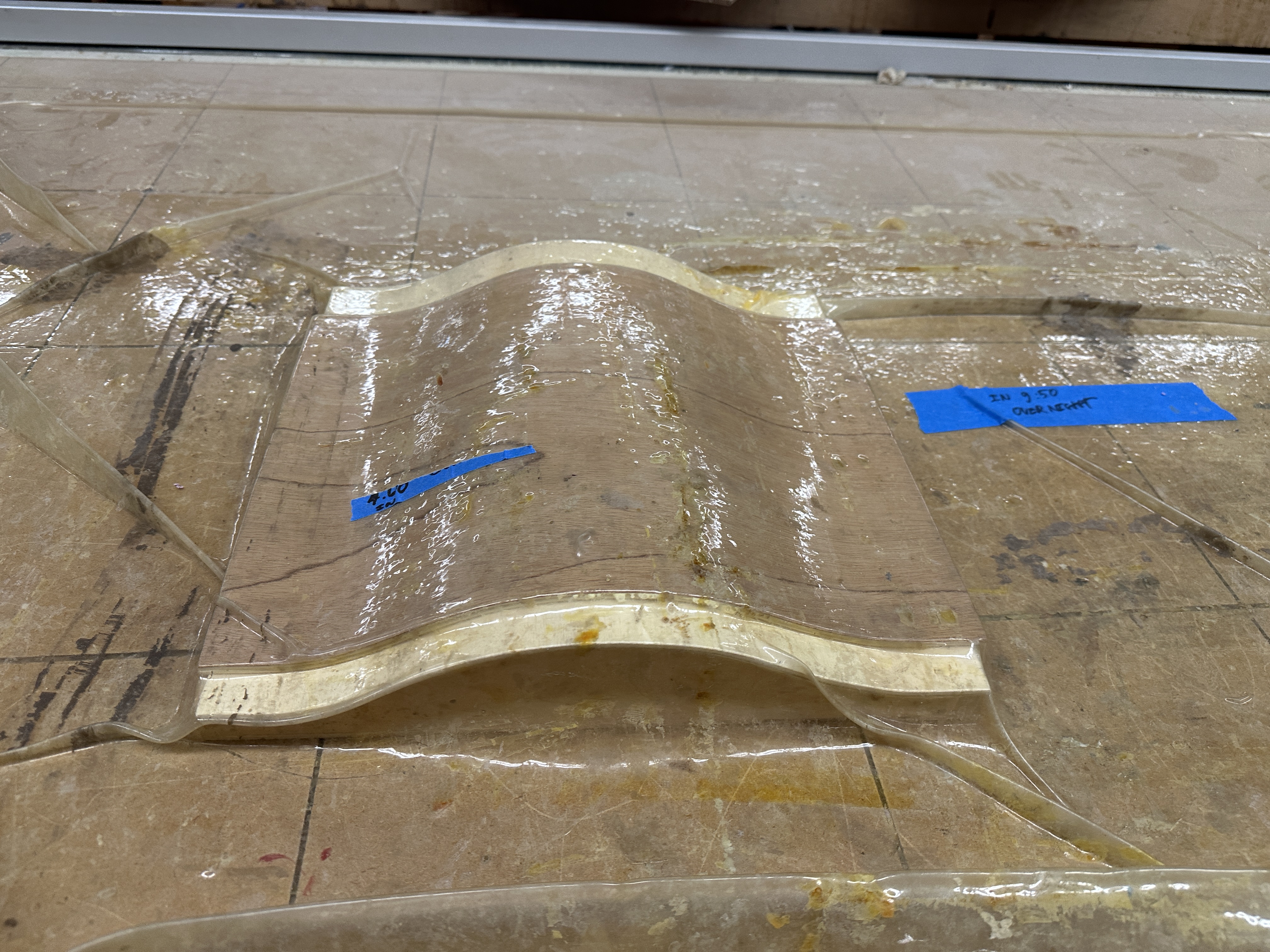
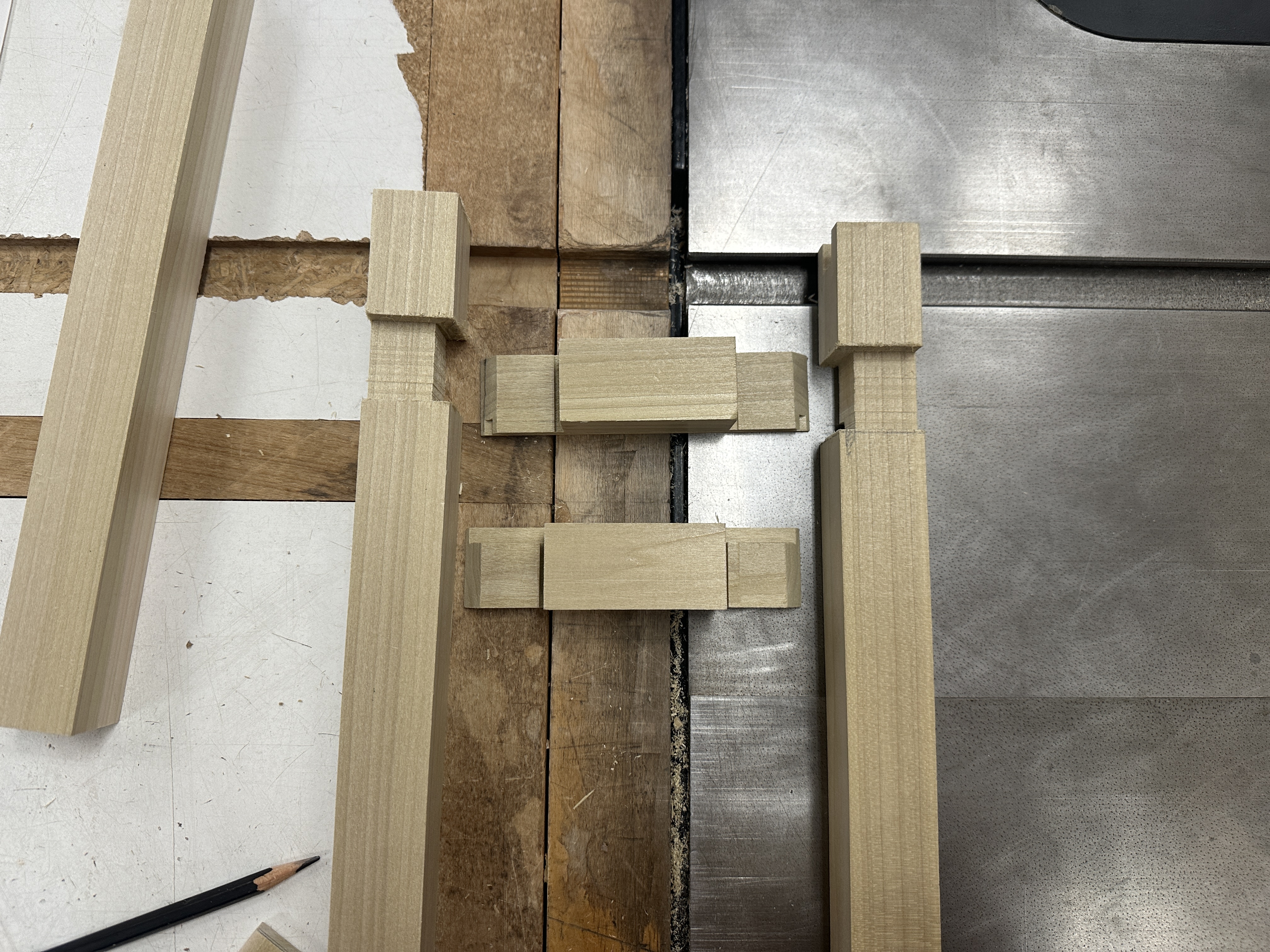
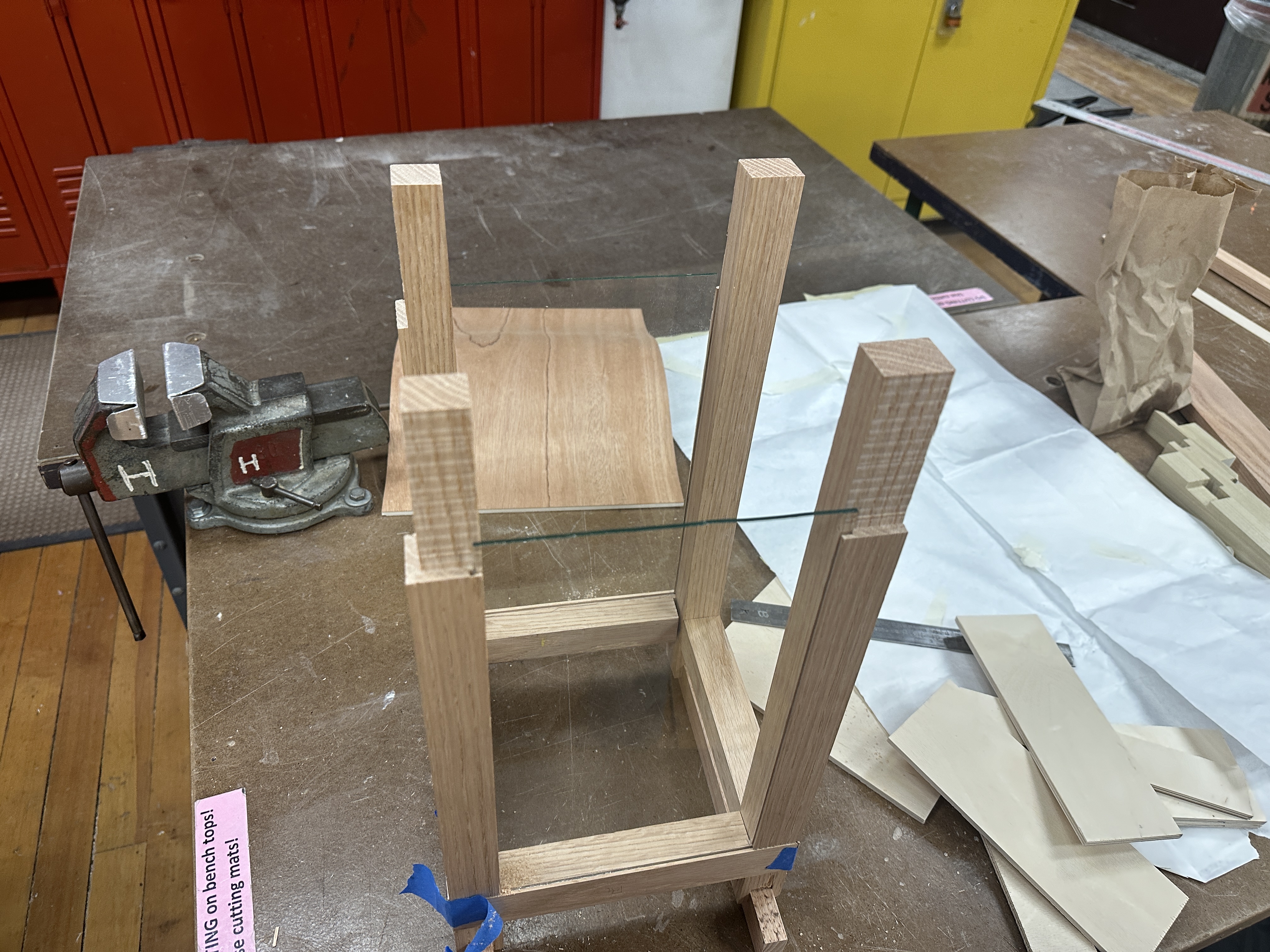
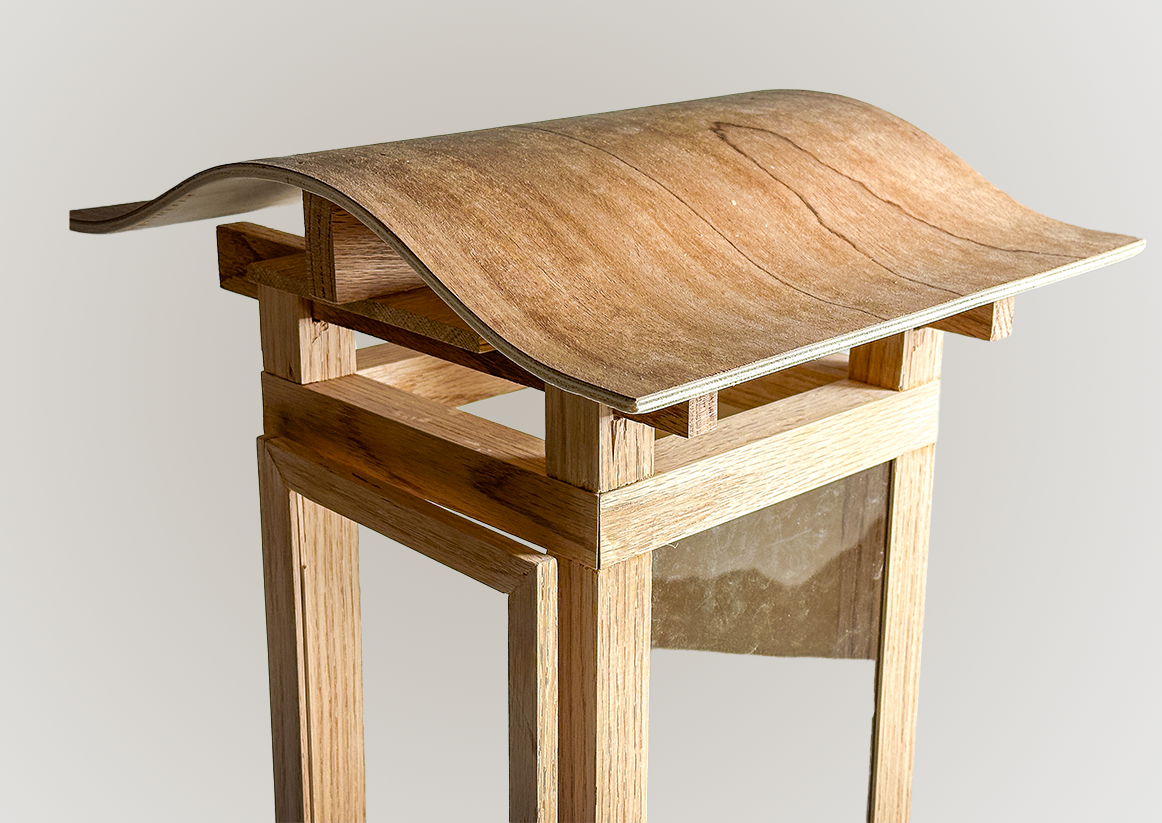
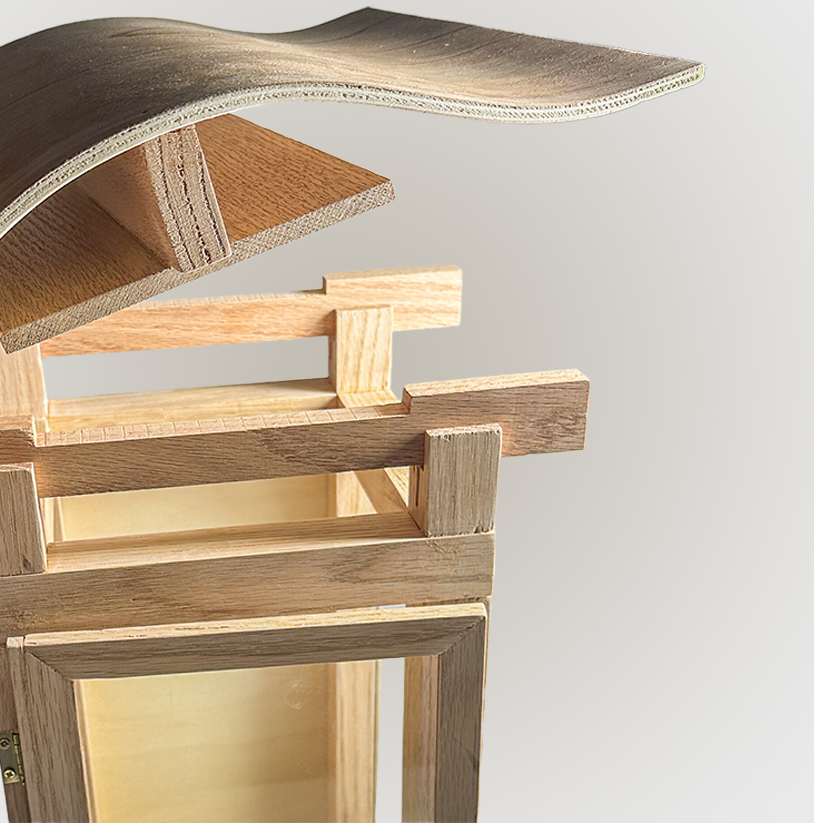
The lid was formed through vacuum lamination of three layers of red oak veneer, pressed over a template that defines its curvature. The structural joints and pillars are made from solid oak, fabricated using a table saw to create a combination of lap joints, mitered joints, and rabbet joints. A wood router was used to cut precise grooves for the glass door frame.
 My another vivarium project can be viewed here.